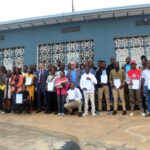


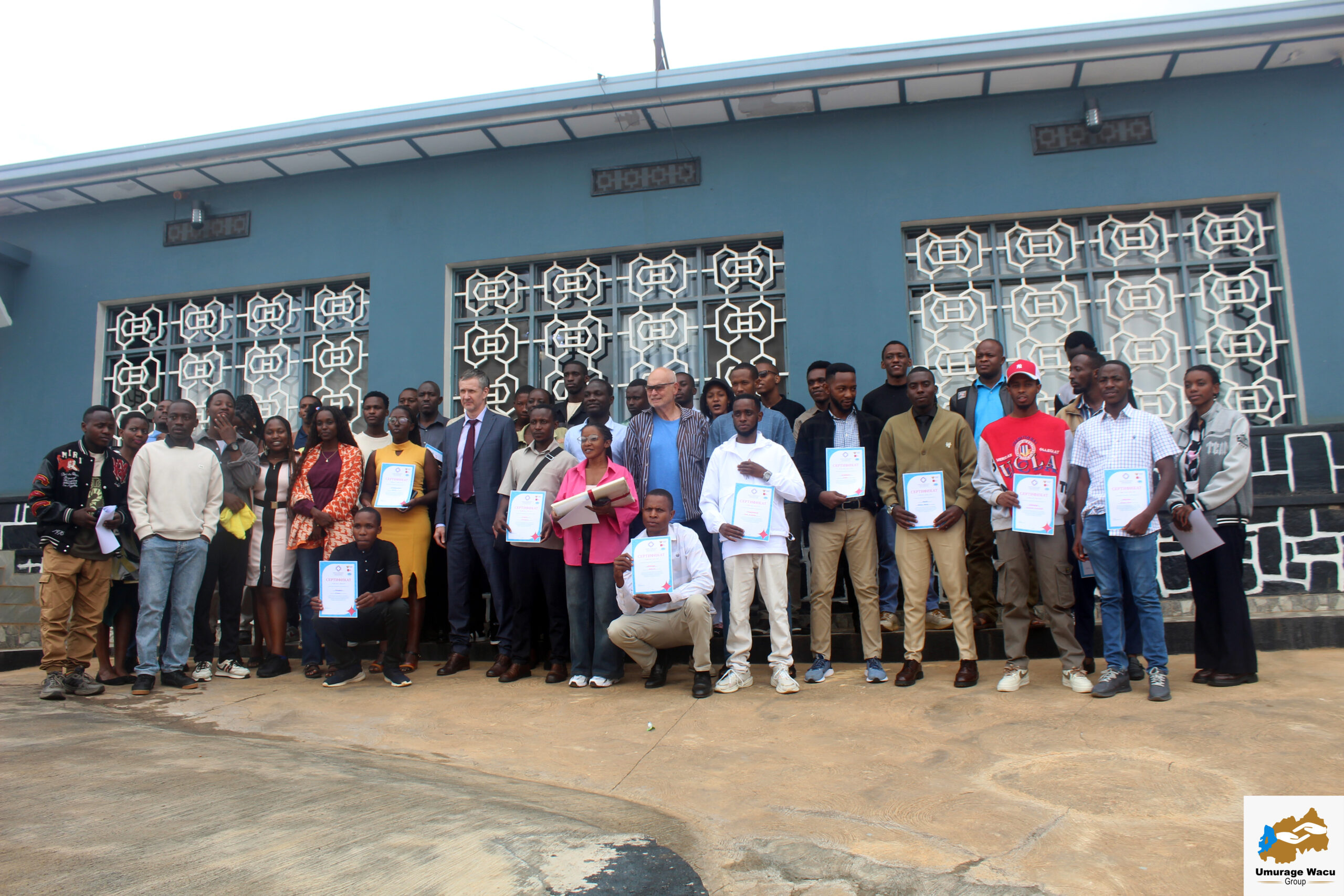
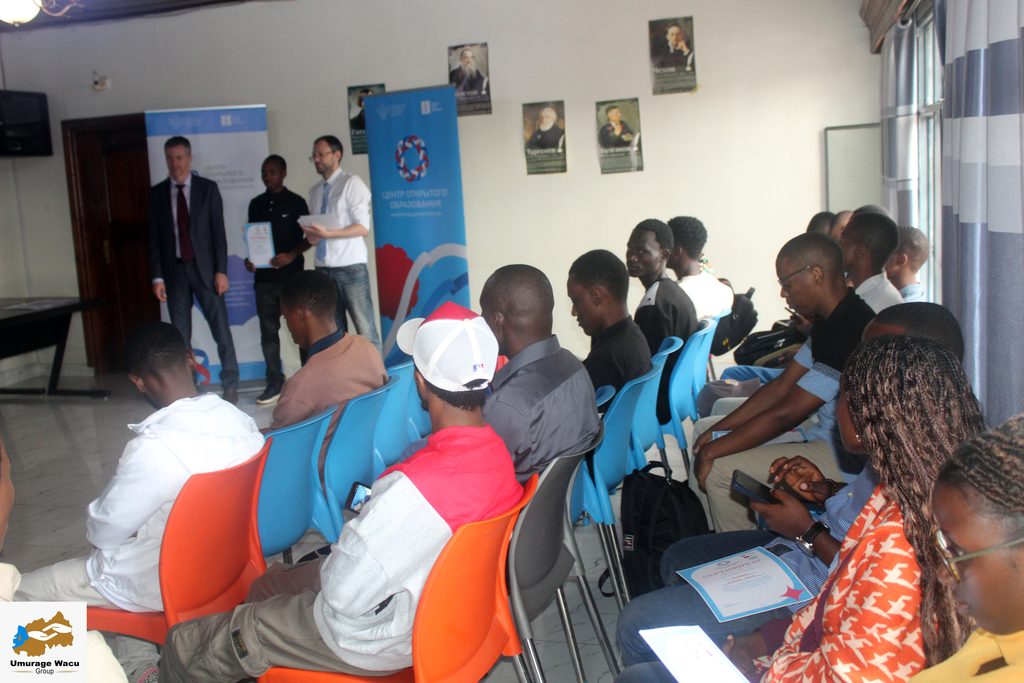
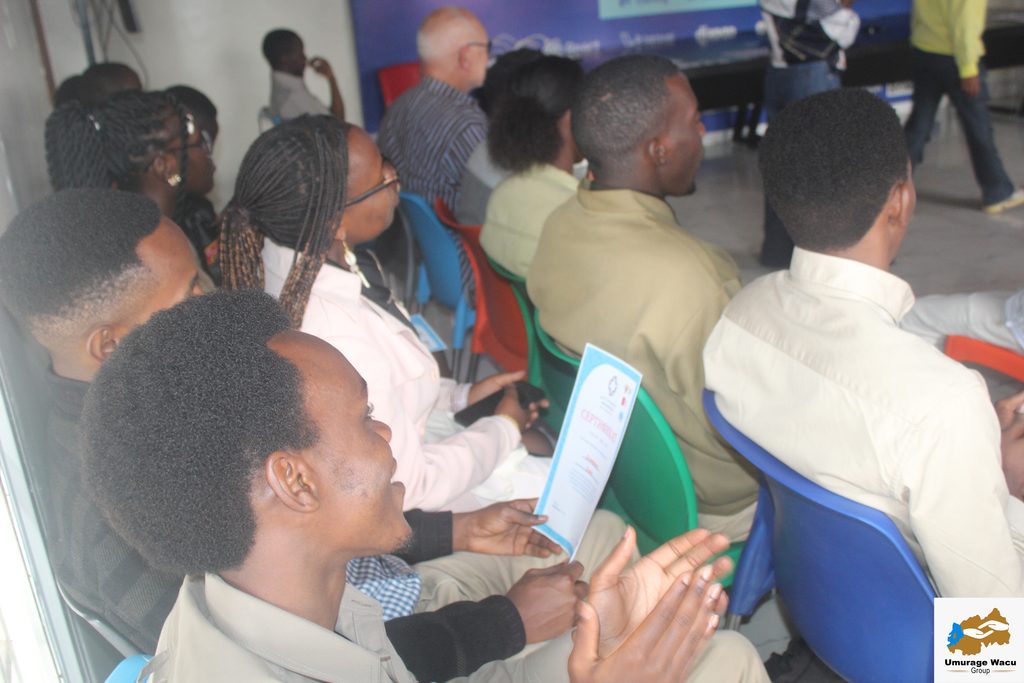
More than 50 young Rwandans have received certificates in Russian language after completing a two-month introductory course in Kigali. The course offered participants an opportunity to discover a new language and develop the skills needed to communicate with Russian speakers through speaking and writing.
Although Russian was a new language for many of the participants, their interest in learning it reflected their desire to explore new opportunities in education, business, tourism and international cooperation.
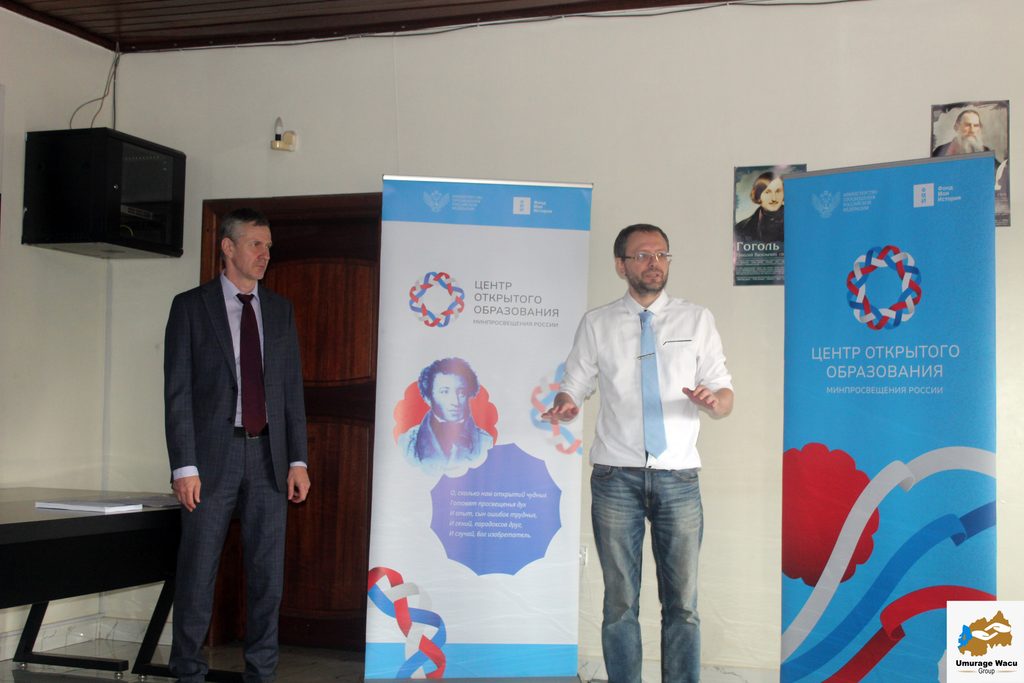
The course was organized by the Center for Open Education (COE) of Tomsk State Pedagogical University (TSPU). In Kigali, it was coordinated by the TSPU Institute of Foreign Languages and International Cooperation, together with the My History Fund, under the auspices of the Ministry of Education of the Russian Federation.
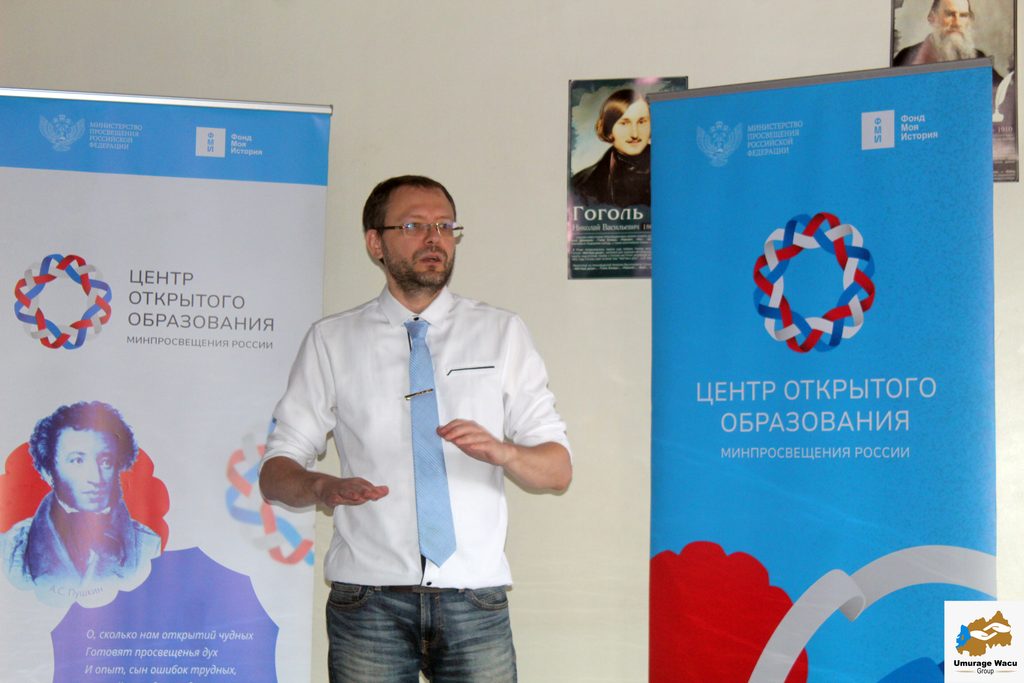
Among the teachers who travelled to Kigali to teach the language was Sergei Kovylin, a Candidate of Philological Sciences (PhD) and Associate Professor at the Department of Serbian and Indigenous Languages at TSPU.
Speaking about the progrogramme, teachers noted that the Russian language courses in Kigali in 2026 had attracted significant interest from local residents. He also highlighted the students’ motivation, diligence and genuine interest in Russian culture.
Russian Language: A Gateway to New Opportunities
Learning Russian offers young Rwandans opportunities to connect with Russian-speaking communities and explore international opportunities. As the world becomes increasingly interconnected, knowledge of foreign languages is an important asset for young people seeking education, employment and partnerships beyond their countries.
For students interested in pursuing higher education in Russia, learning Russian can be particularly valuable. It can help them adapt to the academic environment, communicate with local communities and overcome language barriers during their studies. Receiving a certificate also provides documentary evidence of their participation and achievement, which can support their educational profiles.
There are also opportunities for cooperation in science and technology. For example, Rwanda has ambitions in nuclear energy development, while Russia has considerable experience in the nuclear sector. Young Rwandans who acquire relevant technical knowledge through studies in Russia could contribute to the development of Rwanda’s nuclear energy ambitions.
In business, Rwanda continues to welcome investors and strengthen international partnerships. Having Rwandans who can speak and write Russian could facilitate communication between Rwandan businesses and Russian investors, making cooperation easier and more effective.
Tourism is another sector where Russian language skills could become increasingly useful. As Rwanda welcomes visitors from different parts of the world, including Russia and Eastern Europe, trained tour guides and tourism professionals who speak Russian could offer better services to Russian-speaking visitors and enrich their travel experiences.
Rugira, one of the students who took the Russian language course, said:
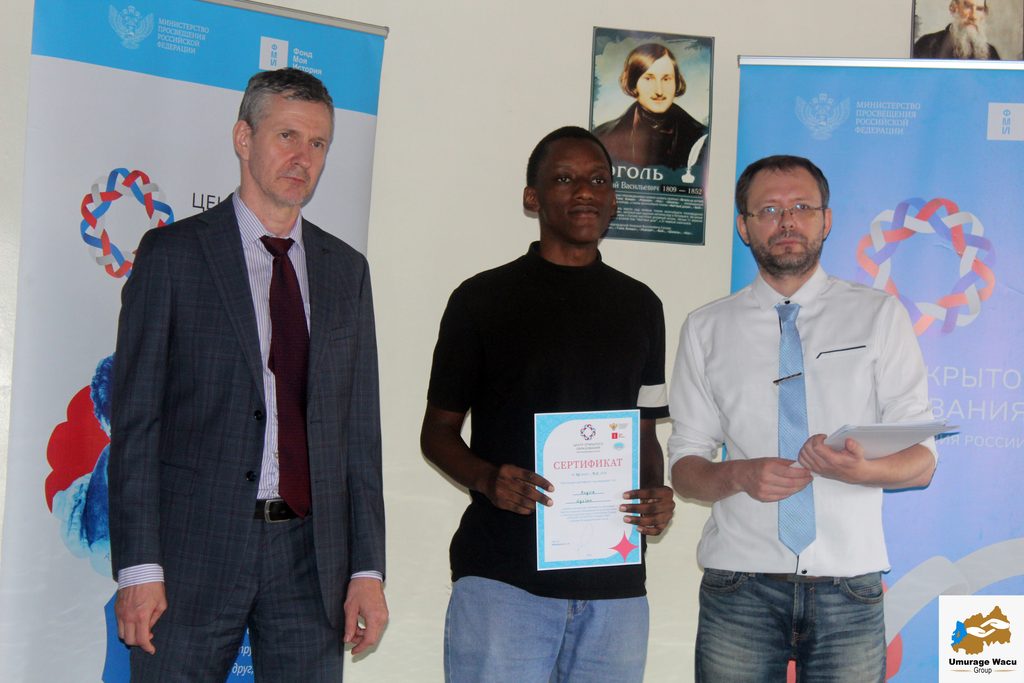
“Learning Russian offers a unique cognitive challenge and promotes personal growth. It also opens doors to global connections by enabling learners to communicate with millions of Russian speakers worldwide. Furthermore, it creates opportunities for international studies, cultural exchange, and career advancement.”
A Step Towards Cultural Exchange
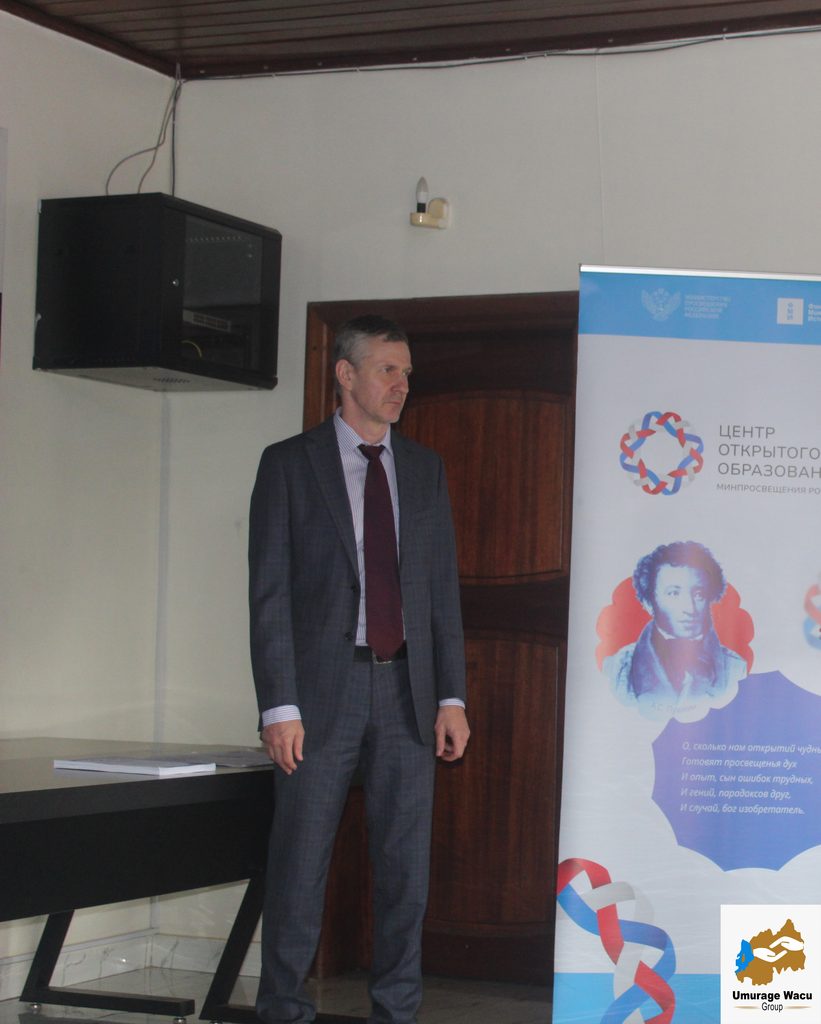
The certificate award ceremony was also attended by Evgeny Kalashnikov, Counsellor and Deputy Head of Mission at the Embassy of the Russian Federation in Kigali.
Speaking on behalf of the students, Noella expressed her appreciation to the teachers who travelled from Russia to share their knowledge and dedicate their time to teaching Rwandans. She also thanked the participants who had chosen to take on the challenge of learning a new language.
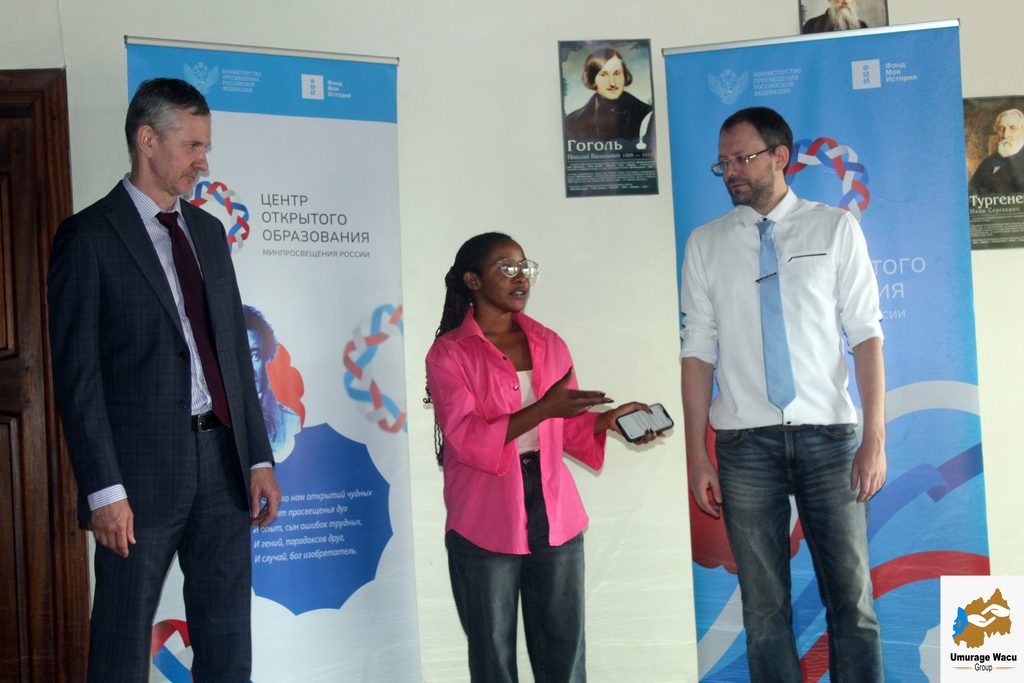
She added that she intended to continue studying Russian and discovering more about Russian culture.
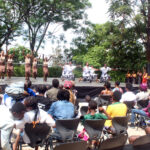
The initiative represents an important step towards strengthening people-to-people connections between Rwanda and Russia through language and cultural exchange.
The course is expected to be organized annually, providing more Rwandan young people with an opportunity to learn Russian, discover its culture and explore new possibilities for international cooperation.